Shopify AI Tools 2025: Revolutionizing E-commerce with Artificial Intelligence
Discover the best Shopify AI tools for 2025. From automated product optimization to AI-powered customer service - maximize your e-commerce success with the latest AI innovations.
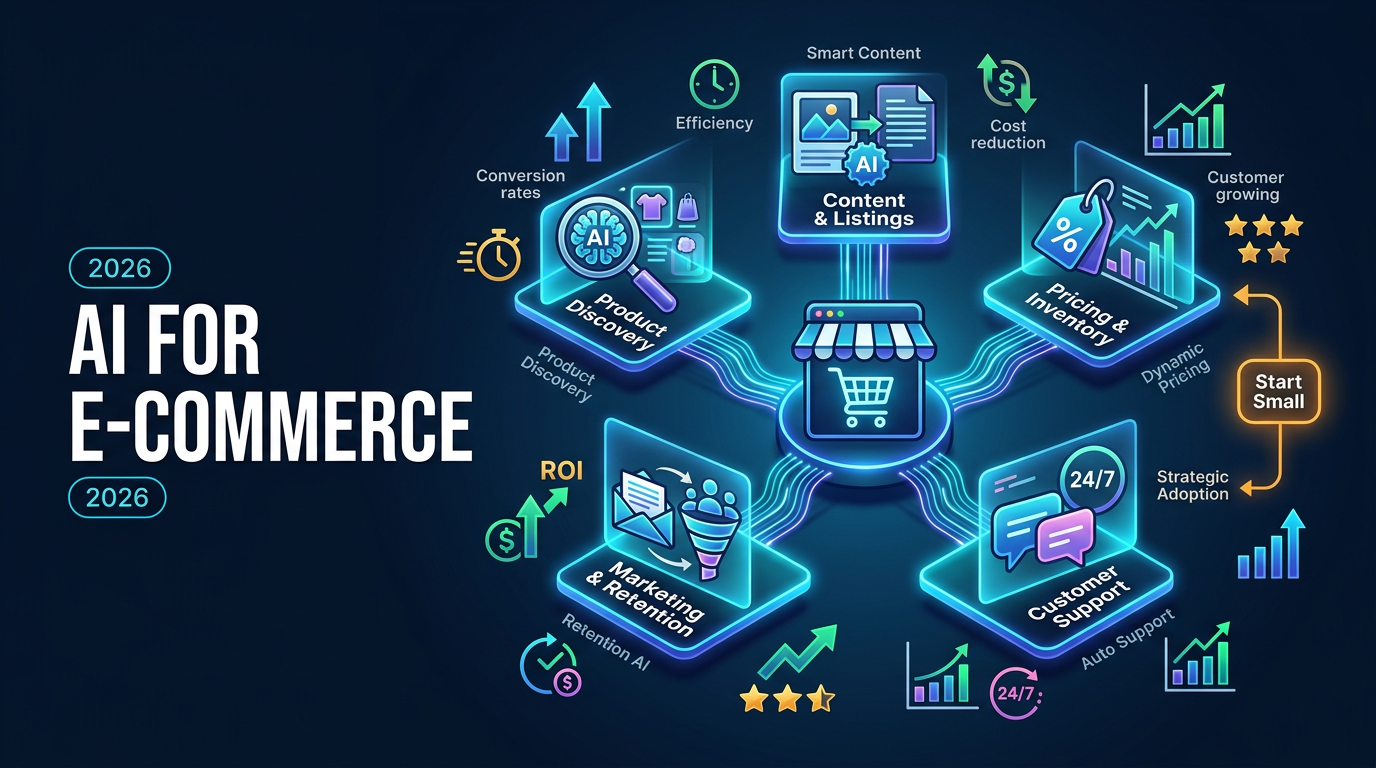
Artificial Intelligence has revolutionized the e-commerce landscape, and 2025 marks a turning point for Shopify merchants. Integrating AI tools into your Shopify strategy is no longer just a competitive advantage â it has become a necessity. In this comprehensive guide, we'll show you the most powerful Shopify AI tools for 2025 and how to implement them effectively.
The Power of AI in Modern E-commerce
The e-commerce landscape is changing rapidly. While traditional methods still work, AI-powered solutions enable efficiency improvements of up to 400% while simultaneously reducing costs. Shopify merchants already using AI report average revenue increases of 35% within the first six months.
Why AI Tools Are Essential for Shopify
The modern e-commerce world moves at a breathtaking pace. Customers expect personalized experiences, lightning-fast responses, and seamless shopping experiences. This is where AI tools come into play, not only meeting but exceeding these requirements.
Shopify itself has invested heavily in AI technologies and provides a robust platform for integrating various AI solutions. The combination of Shopify's native functionality and specialized AI tools creates an ecosystem suitable for both beginners and experienced e-commerce professionals.
Top Shopify AI Tools for 2025
1. Shopify Magic: The Native AI Assistant
Shopify Magic is Shopify's proprietary AI solution, introduced in 2024 and becoming even more powerful in 2025. This tool integrates seamlessly into the Shopify Admin and offers:
Automatically Generate Product Descriptions: With just a few clicks, Shopify Magic creates SEO-optimized product descriptions that are conversion-oriented. The AI analyzes successful product pages and creates texts that have been proven to convert better.
Blog Content Creation: Create fresh content regularly for your Shopify blog. The AI considers your niche, target audience, and current trends.
Email Marketing Optimization: Automatic creation of personalized email campaigns based on customer behavior and purchase history.
2. Kit (Conversational Commerce AI)
Kit has established itself as one of the leading AI tools for Shopify. It functions like a virtual marketing assistant that automates various aspects of your e-commerce business:
Automated Advertising Campaigns: Kit can create, optimize, and manage Facebook and Google ads. The AI continuously learns from campaign performance and automatically adjusts budgets and target audiences.
Intelligent Retargeting Strategies: The tool identifies potential customers who have left your store and creates personalized retargeting campaigns.
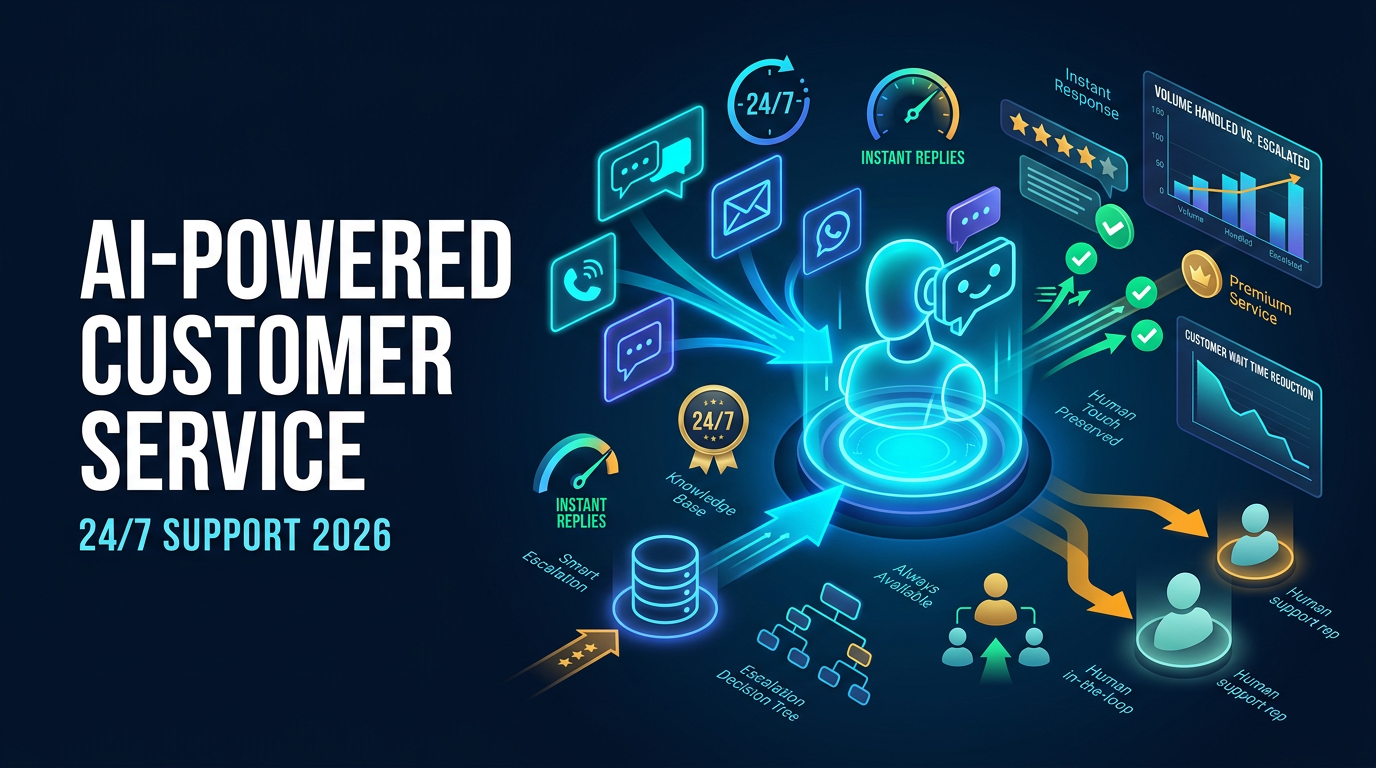
Customer Service Automation: Kit automatically answers frequently asked customer questions and routes more complex inquiries to the right team.
The ROI improvement through Kit averages 250%, as it continuously optimizes and eliminates human errors.
3. Yotpo AI-Powered Reviews and UGC
User-Generated Content is worth its weight in gold, and Yotpo uses AI to extract maximum value from customer reviews and user-generated content:
Intelligent Review Collection: The AI identifies the optimal time to ask customers for reviews based on their purchasing behavior and engagement.
Automatic Content Moderation: AI automatically filters out inappropriate content and highlights particularly valuable reviews.
Visual UGC Optimization: The tool automatically recognizes the best user-generated images and videos and suggests where they can be most effectively deployed.
4. Octane AI: Personalized Shopping Experiences
Octane AI revolutionizes how customers interact with your Shopify store:
Quiz-Based Product Recommendations: Create interactive quizzes that guide customers to perfect products. The AI analyzes responses and suggests the best matches.
Personalized Shop Experiences: Every visitor receives an individually customized shopping experience based on their behavior, preferences, and demographic data.
Intelligent SMS Marketing: Automated, personalized SMS campaigns that send the right message at the right time.
Shopify merchants report conversion rate increases of up to 300% after implementing Octane AI.
5. Privy: AI-Powered Email Marketing
Privy combines classic email marketing with cutting-edge AI technology:
Predictive Analytics: The AI predicts which customers are likely to make a purchase and when the best time for an email is.
Automated Segmentation: Customers are automatically divided into highly specific segments based on behavior, purchase history, and engagement.
Content Optimization: AI automatically tests different subject lines, content, and call-to-actions and optimizes them for better performance.
Advanced AI Strategies for Shopify 2025
Inventory Management with AI
Intelligent inventory management is one of the areas where AI delivers the greatest ROI:
Demand Forecasting: AI analyzes historical data, seasonal trends, market conditions, and external factors to create precise demand forecasts.
Automatic Reordering: The system automatically reorders products before inventory runs low, considering lead times and seasonal fluctuations.
Dynamic Pricing: Prices are automatically adjusted based on demand, competitor prices, and inventory levels.
AI-Powered Customer Acquisition
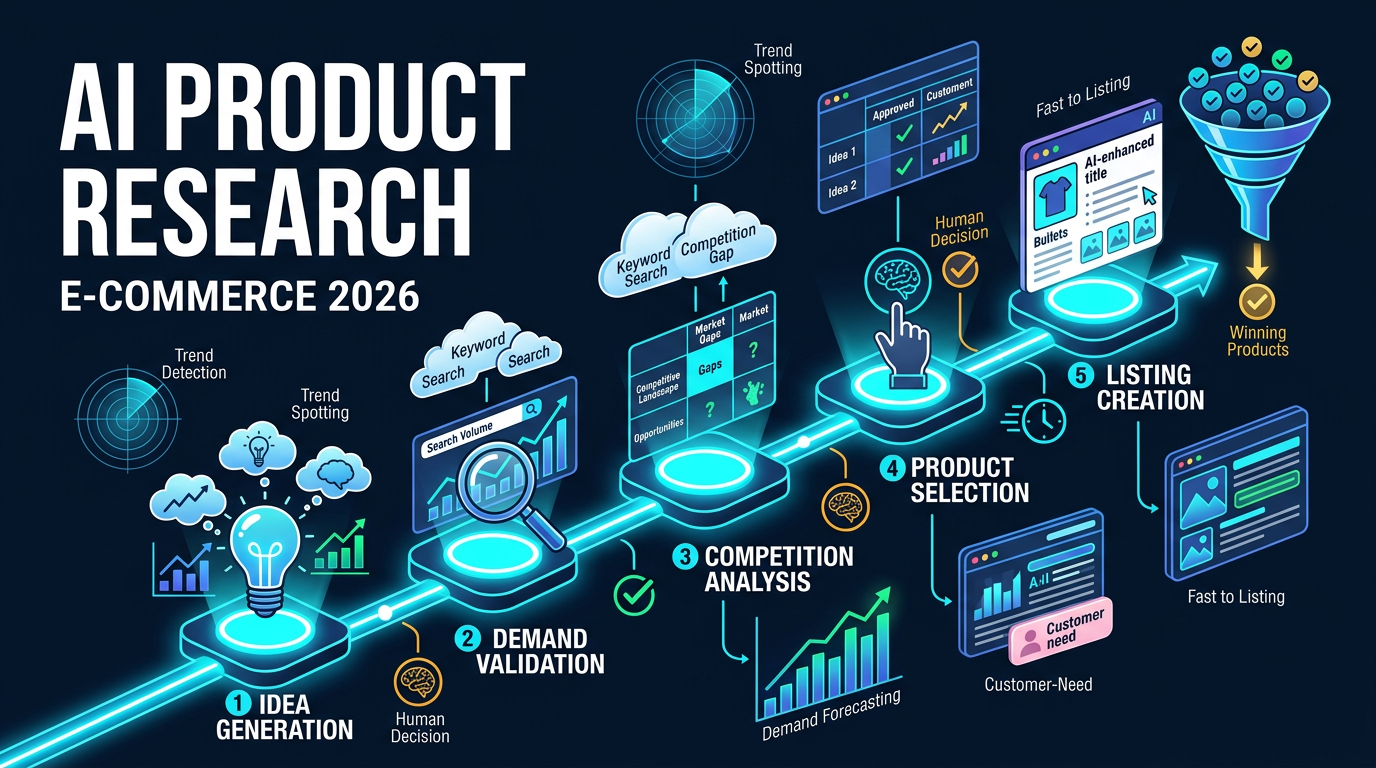
Helium 10 and similar tools have significantly expanded their AI capabilities in 2025. These tools help not only with product research but also with customer acquisition:
Target Audience Identification: AI analyzes successful competitors and identifies their most lucrative customer segments.
Content Gap Analysis: Discover what content your competitors aren't covering but is being searched for by the target audience.
Keyword Trend Prediction: Identify emerging keywords before they become mainstream.
Conversion Rate Optimization (CRO) with AI
AI-powered CRO tools have set a new standard in 2025:
Heatmap Analysis: AI analyzes user behavior and creates detailed heatmaps showing where optimization potential exists.
A/B Testing Automation: Tests are automatically created, executed, and evaluated. The AI automatically implements winning variants.
Personalized Landing Pages: Each visitor sees an individually optimized version of your landing page.
Integration and Setup Strategies
The Systematic Approach to AI Integration
Successfully integrating AI tools into your Shopify store requires a systematic approach:
Phase 1: Analysis and Planning (Week 1-2)
- Document current processes
- Identify pain points
- AI tool selection based on specific needs
- Budget and time planning
Phase 2: Pilot Implementation (Week 3-6)
- Implement one AI tool at a time
- Establish baseline metrics
- Conduct team training
- First optimizations based on initial data
Phase 3: Scaling and Optimization (Week 7-12)
- Expand successful tools
- Activate additional AI functions
- ROI measurement and adjustments
- Establish continuous improvement
Tool Integration Best Practices
API Management: Ensure all AI tools are properly connected to your Shopify API. Monitor API limits and performance regularly.
Data Quality: AI tools are only as good as the data they're fed. Implement robust data collection and cleaning.
Testing Protocols: Establish standardized testing procedures for all AI implementations. Measure success based on concrete KPIs.
ROI Measurement and Performance Tracking
Key Performance Indicators (KPIs) for AI Tools
Measuring the ROI of your AI investments is crucial for long-term success:
Direct Revenue Metrics:
- Conversion rate improvement
- Average Order Value (AOV) increase
- Customer Lifetime Value (CLV) enhancement
- Revenue increase per channel
Efficiency Metrics:
- Time savings on manual tasks
- Reduced error rate
- Improved customer service response times
- Automation level of various processes
Cost-Benefit Analysis:
- Tool costs vs. personnel savings
- Implementation effort vs. long-term benefits
- Opportunity costs of avoided manual processes
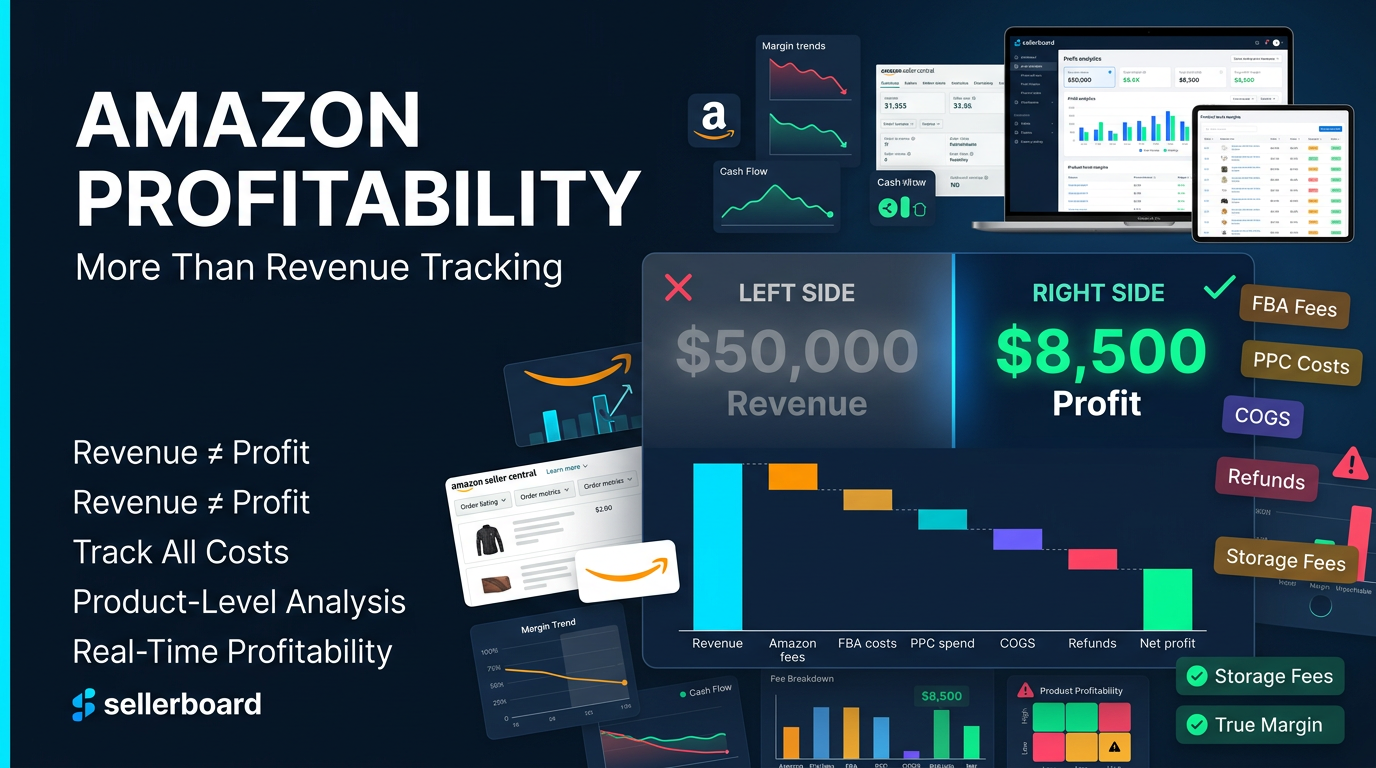
SmartScout offers excellent analytics features that help you accurately track the ROI of your AI investments.
Future Trends: What Comes After 2025?
Emerging AI Technologies in E-commerce
The AI landscape continues to evolve rapidly. Here are the key trends Shopify merchants should keep an eye on:
Voice Commerce AI: Voice-controlled shopping experiences are becoming mainstream. Preparation for Alexa, Google Assistant, and other voice platforms becomes essential.
Visual Search AI: Customers can find products by uploading images. This technology becomes significantly more mature and accessible in 2025.
Predictive Personalization: AI will not only react but proactively predict customer needs and create corresponding experiences.
Blockchain-AI Integration: Transparency and verification of AI decisions through blockchain technology becomes more important for customer trust.
Preparing for the Next AI Generation
Strengthen Data Infrastructure: Invest in robust data collection and storage. Future AI tools will be even more data-intensive.
Build Team Competence: Train your team in AI fundamentals. Understanding AI principles becomes a standard skill set.
Establish Experimentation Culture: Foster a culture of continuous testing and learning. AI develops quickly â flexibility is key.
Practical Implementation: Step-by-Step Guide
Week 1-2: Foundation Building
Day 1-3: Audit and Assessment
- Analyze current Shopify setup
- Document existing tools and integrations
- Establish performance baselines
- Assess team competence
Day 4-7: Tool Selection and Planning
- Shortlist AI tools based on specific needs
- Determine budget allocation
- Create implementation roadmap
- Secure stakeholder buy-in
Day 8-14: First Implementations
- Activate and configure Shopify Magic
- Collect baseline data
- Begin team training
- Test first AI-generated content
Week 3-6: Expansion and Optimization
This phase focuses on expanding successful AI implementations and optimizing performance.
Advanced Tool Integration:
- Implement additional AI tools by priority
- Optimize cross-tool integration
- Set up workflow automations
- Establish performance monitoring
Data Quality and Analysis:
- Data cleaning and standardization
- Set up analytics dashboard
- Establish A/B testing framework
- Implement ROI tracking
Jungle Scout can be particularly valuable in this phase for competitive intelligence and market analysis.
Common Challenges and Solution Approaches
Challenge 1: Data Quality and Integration
Problem: Inconsistent or incomplete data leads to poor AI performance.
Solution:
- Implement robust data validation
- Establish unified data standards
- Use data enrichment services
- Conduct regular data audits
Challenge 2: Team Adoption and Change Management
Problem: Resistance to new AI tools within the team.
Solution:
- Comprehensive training programs
- Gradual implementation with quick wins
- Clear communication of benefits
- Incentives for AI tool usage
Challenge 3: ROI Measurement and Success Evaluation
Problem: Difficult attribution of success to specific AI tools.
Solution:
- Granular KPI definition before implementation
- Use multi-touch attribution models
- Regular performance reviews
- Balance long-term vs. short-term metrics
Advanced Automation Strategies
Multi-Channel AI Integration
The future of e-commerce lies in seamless integration of various sales channels. AI tools enable managing this complexity:
Unified Customer Profiles: AI creates unified customer profiles from data across various touchpoints â website, social media, email, SMS, etc.
Cross-Channel Personalization: Personalization strategies are synchronized across channels. A customer who viewed a product on Instagram sees relevant recommendations on the website.
Inventory Synchronization: AI coordinates inventory across various sales channels and prevents overselling or stockouts.
Advanced Customer Lifecycle Management
AI-powered customer lifecycle management goes far beyond traditional email campaigns:
Predictive Churn Prevention: AI identifies customers likely to churn before it happens and triggers automatic retention campaigns.
Dynamic Loyalty Programs: Rewards and offers are adjusted in real-time based on customer behavior and preferences.
Lifetime Value Optimization: AI continuously optimizes strategies to maximize the Customer Lifetime Value of each individual customer.
Compliance and Data Privacy with AI Tools
GDPR and Data Privacy Compliance
With increasing AI usage, data privacy considerations become more important:
Data Minimization: Collect only the data truly necessary for your AI tools.
Transparency: Clearly inform customers about how their data is used by AI systems.
Right to Explanation: Prepare to explain AI decisions when customers ask.
Data Portability: Ensure customer data is easily exportable if customers request it.
Ethical AI Practices
Bias Prevention: Regularly monitor AI systems for unfair treatment of different customer groups.
Algorithmic Accountability: Establish clear responsibilities for AI decisions in your company.
Human Oversight: Always maintain human control for important AI decisions.
Budget Planning and Cost Management
Understanding AI Tool Cost Structures
Most AI tools for Shopify follow various pricing models:
Subscription-based: Monthly or annual fixed costs, often tiered by feature scope.
Usage-based: Costs based on usage (e.g., per processed email, per API call).
Performance-based: Costs tied to results (e.g., percentage of generated revenue).
Freemium Models: Basic features free, advanced features paid.
ROI Optimization Strategies
Start Small, Scale Fast: Begin with cost-effective tools and scale successful implementations.
Leverage Bundle Deals: Many providers offer discounts for multiple tools or long-term contracts.
Performance Monitoring: Continuously monitor each tool's performance and eliminate underperformers.
Negotiation: With successful usage, negotiate better terms with tool providers.
Conclusion: The AI-Powered Future of E-commerce
Integrating AI tools into your Shopify store is no longer optional â it's a necessity for sustainable success in e-commerce 2025 and beyond. The tools and strategies presented in this guide provide a practical framework for successfully transforming your e-commerce business with AI.
The key to success lies in the systematic approach: Start with a thorough analysis of your current situation, implement tools step by step, and continuously measure results. Remember that AI tools should complement, not replace, your human expertise.
Investment in AI tools typically pays off within 6-12 months, often sooner. Companies investing in AI now will have a sustainable competitive advantage over those who hesitate.
Your Next Steps:
- Evaluate your current Shopify processes
- Identify the biggest pain points
- Choose 1-2 AI tools to start with
- Implement systematically and measure results
- Scale successful implementations
The future of e-commerce is AI-powered. The question isn't whether, but how quickly you'll complete this transformation. With the right tools, strategy, and approach, you can transform your Shopify store into a highly efficient, AI-powered e-commerce powerhouse.
The AI revolution in e-commerce has just begun. Be part of it â not as a latecomer, but as a pioneer who fully leverages the possibilities of artificial intelligence.