

AI Product Research for E-Commerce in 2026: From Idea to Listing
In short
AI product research for e-commerce in 2026: how to go from idea to validated product to ready listing faster, where AI genuinely helps, and where human judgment still wins.
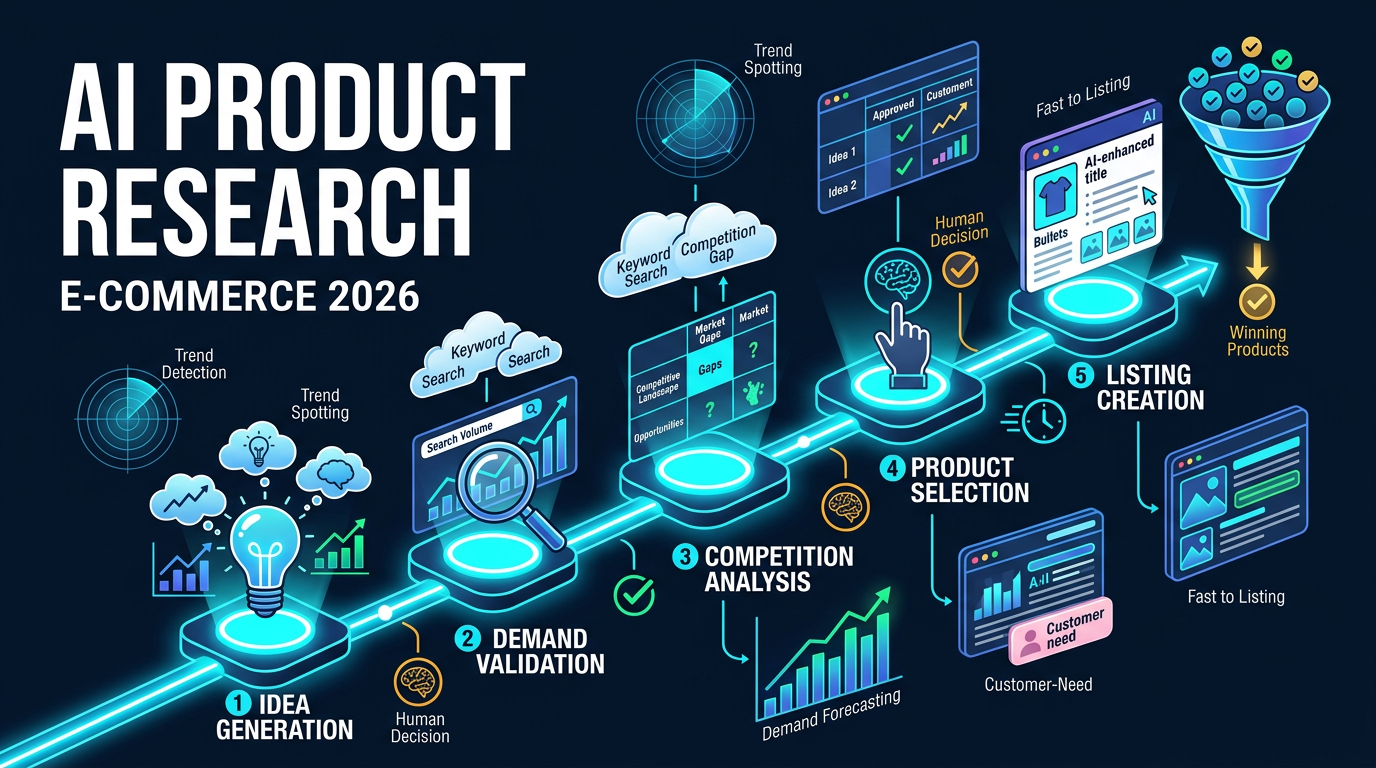
Finding the right product to sell, then turning it into a listing that converts, is one of the most decision-heavy parts of running an online store. AI does not replace that judgment, but it dramatically speeds up the research and preparation around it. This article walks the path from idea to ready listing and shows where AI genuinely helps and where a human still has to decide.
It is part of our e-commerce series, building on the overview in AI for e-commerce.
Table of Contents
- Idea generation and trend spotting
- Validating demand
- Sizing up the competition
- From product to listing
- Where human judgment still wins
- A simple research workflow
- Conclusion
Idea generation and trend spotting
The first stage, finding candidate products, is where AI shines at breadth. It can scan large amounts of market signal, surface emerging trends, and generate a long list of possibilities far faster than manual browsing. Instead of staring at a blank page, you start with a broad set of options to narrow down.
The value here is speed and coverage. AI casts a wide net, so you are less likely to miss an opportunity simply because you did not think of it. The narrowing comes later.
Validating demand
A product idea is worthless without demand, and this is where research gets serious. AI tools help estimate search volume, interest trends, and seasonality, turning a hunch into something closer to evidence. You can quickly see whether people are actually looking for a product and whether interest is rising, flat, or fading.
This stage saves the most expensive mistake in e-commerce: committing inventory and effort to something nobody wants. AI makes it fast to filter out the weak ideas before they cost anything.
Sizing up the competition
Demand without a realistic path past the competition is a trap. AI helps you assess how crowded a space is, how strong the incumbents are, and where there might be a gap: an underserved variation, a quality or price angle, a niche the big players ignore. Seeing the competitive picture clearly tells you whether an in-demand product is actually winnable for you.
Tip: Treat AI research as a filter, not a verdict. Its job is to quickly eliminate weak ideas and rank the promising ones, so your limited time and judgment go only to the candidates that survive the filter.
From product to listing
Once a product is chosen, AI accelerates the build of the listing itself. It can draft titles, bullet points, and descriptions with relevant keywords, suggest the angles that matter to buyers, and help generate or enhance product imagery. What would take hours of writing and editing becomes a fast draft-and-refine cycle.
The output is a starting point, not the finished article. A human pass ensures accuracy, brand voice, and that the claims are true, but starting from a solid AI draft turns listing creation from a bottleneck into a quick step.
Where human judgment still wins
For all its speed, AI does not decide what to sell. It cannot feel whether a product fits your brand, judge the quality of a supplier, weigh the risk of a trend fizzling, or sense a customer need that has not shown up in the data yet. Those calls remain human.
The right mental model is AI as a tireless research assistant that hands you a well-organized, well-filtered set of options and drafts, so your judgment is spent on the decisions that actually need it rather than on grunt work.
A simple research workflow
A practical loop looks like this. Use AI to generate a broad list of product ideas. Validate demand on each and cut the weak ones. Assess competition on the survivors and rank them by winnability. Pick your candidate with human judgment. Then use AI to draft the listing, and refine it yourself before publishing.
Each stage narrows the field while AI does the heavy lifting of gathering and drafting. You stay in control of the decisions, but you reach them far faster and with better information.
Conclusion
AI turns product research from a slow, uncertain slog into a fast, evidence-backed process, from generating ideas to validating demand to building the listing. What it does not do is make the call for you. Used as a research and drafting engine with your judgment at the wheel, it lets a store move from idea to ready listing in a fraction of the usual time.
If you want help building an AI-assisted research and listing process for your store, talk to us. We help e-commerce businesses move faster from idea to launch without losing the judgment that makes the difference.
Related articles
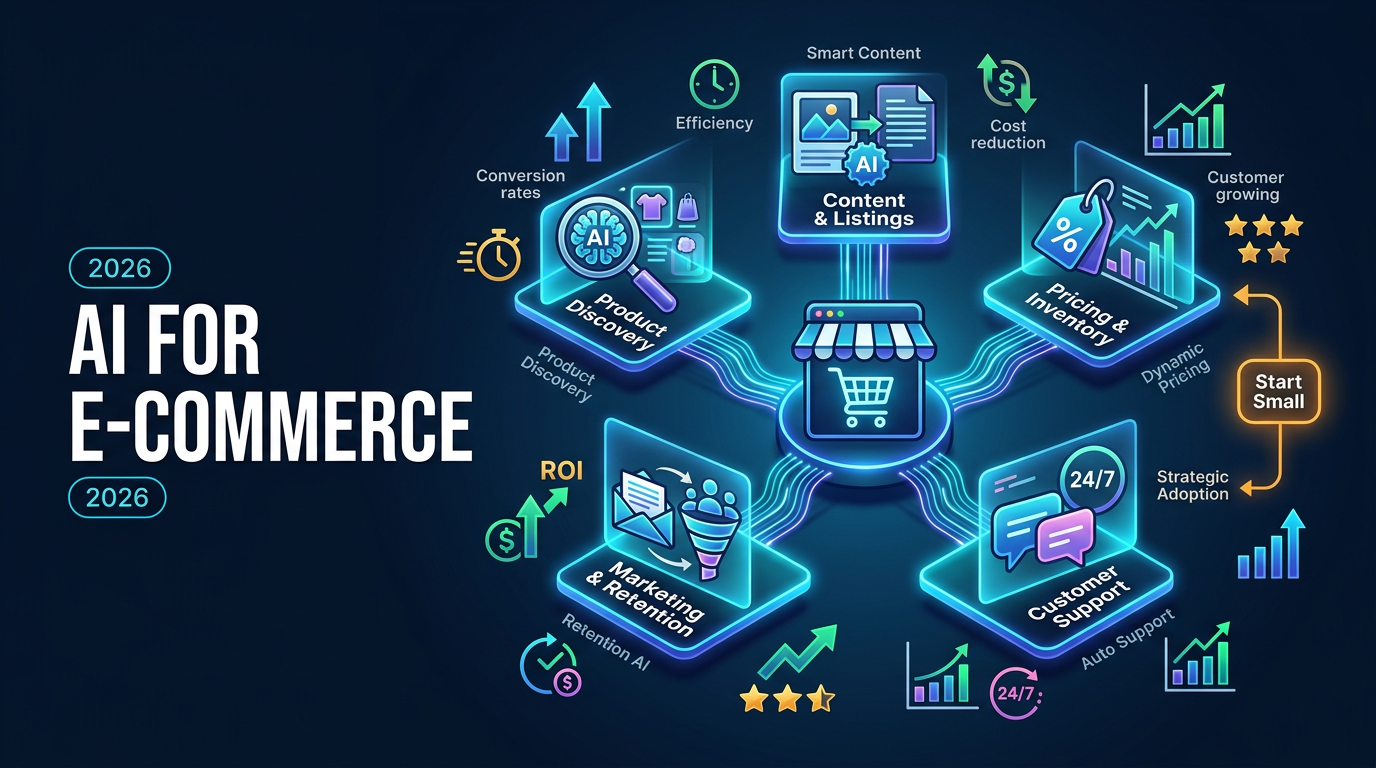
AI for E-Commerce in 2026: Where It Actually Helps and How to Start
AI for e-commerce in 2026: a practical overview of where AI genuinely helps online stores, from product discovery to operations, and how to adopt it without chasing every trend.
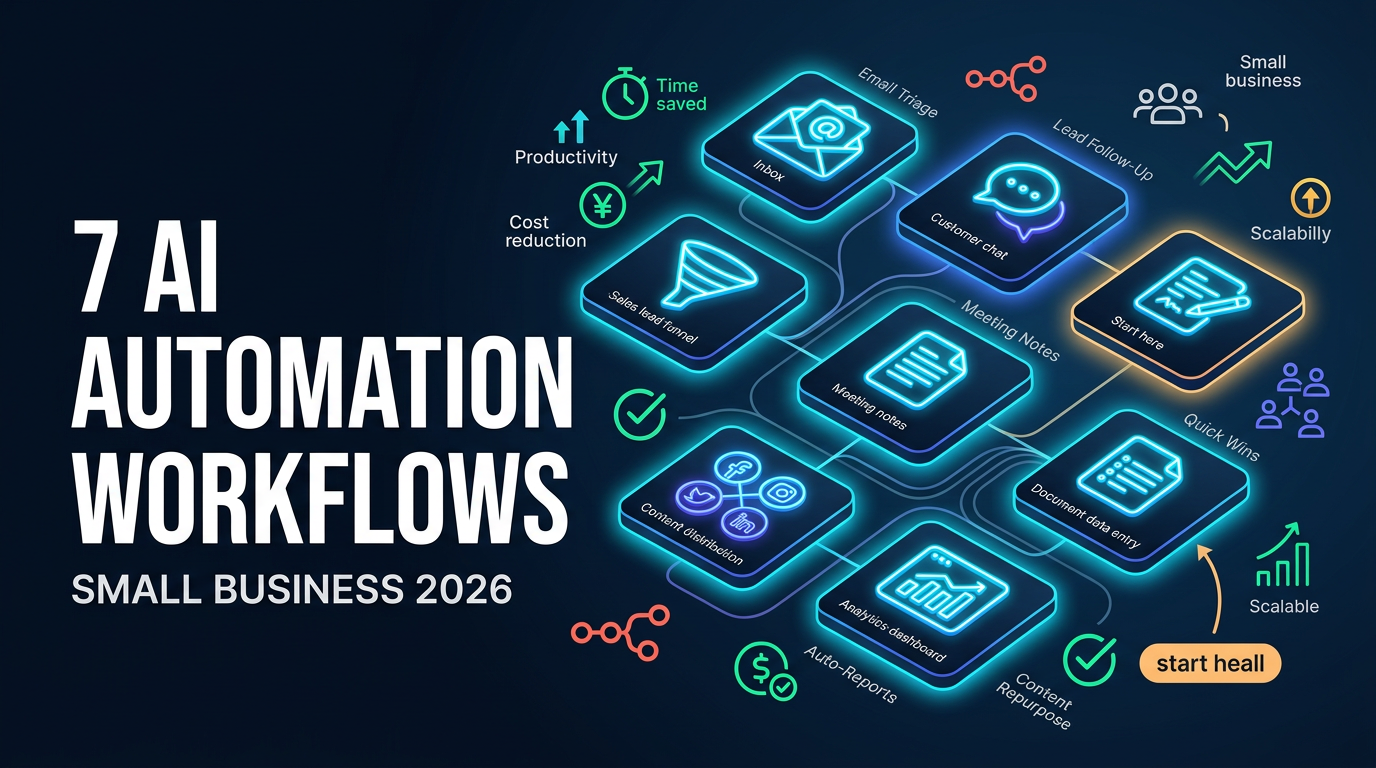
7 AI Automation Workflows Every Small Business Should Consider in 2026
Seven practical AI automation workflows every small business should consider in 2026, from inbox triage to lead follow-up, and how tools like n8n tie them together.
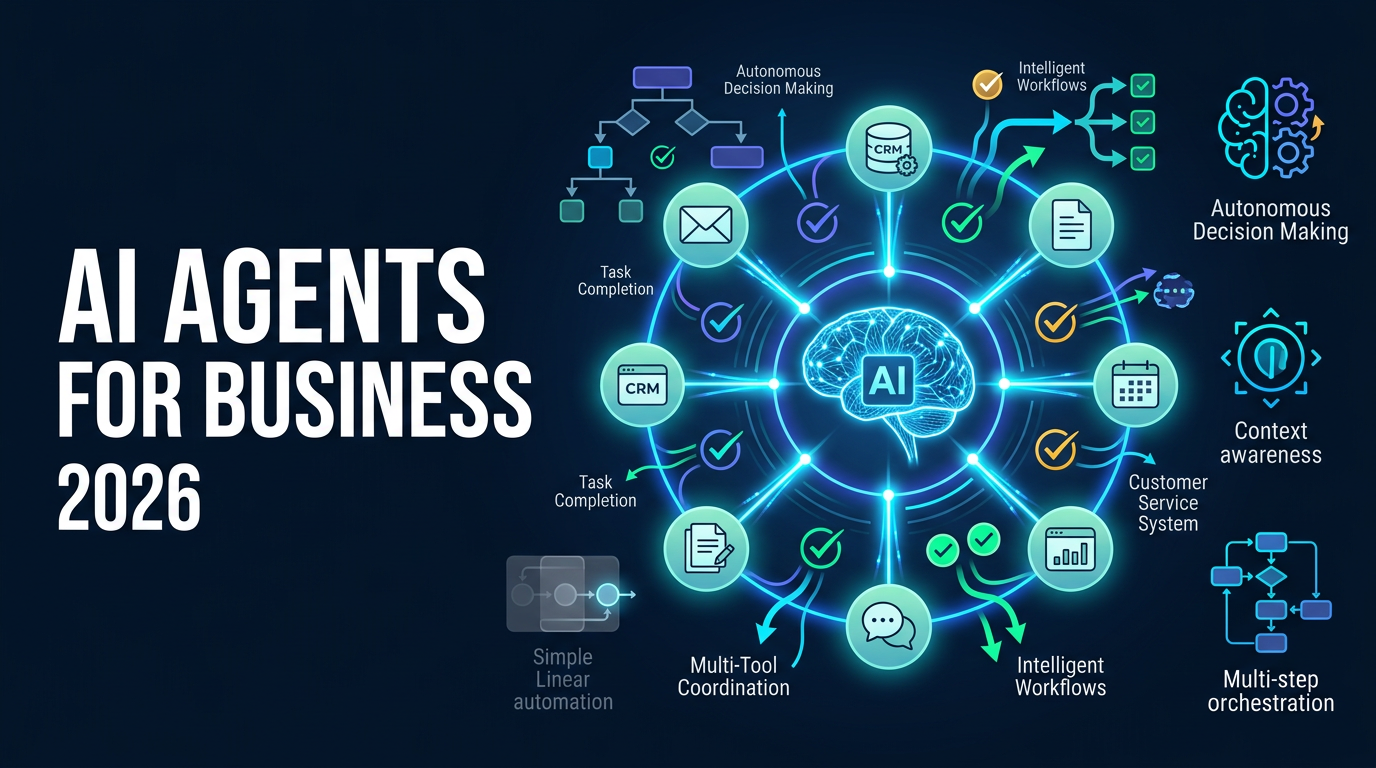
AI Agents for Business in 2026: What They Actually Do and Where to Start
AI agents for business in 2026: what they actually do, how they differ from ordinary automation, where to start, and how to avoid the common mistakes that waste money.